
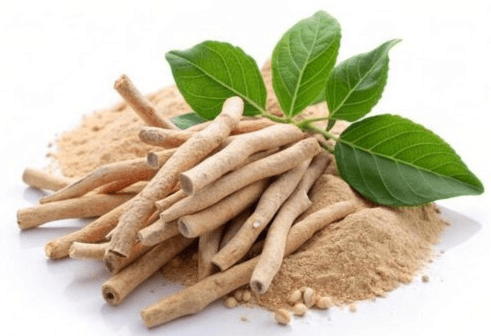
What is Ashwagandha?
Ashwagandha is a medicinal herb widely used in Ayurveda. It is a traditional system of medicine in India. Ashwagandha is also known as “Indian Ginseng” and “Winter Cherry”. Its scientific name is “Withania Somnifera”. It is classified as an adaptogen. Adaptogens are natural substances that help the body adapt to stress and maintain balance. Its root contains active compounds called Withanolides. They help contribute to many health benefits, including stress reduction, improved sleep, and enhanced mental well-being.
Traditional Uses of Ashwagandha
Ashwagandha is mainly found in India. It grows mostly in the areas of Rajasthan, Madhya Pradesh, Uttar Pradesh, Punjab, Haryana, and Gujarat. Ashwagandha is also found in some areas of Africa. Ashwagandha has been used in traditional Ayurvedic medicine for more than three thousand years. It was treated as a rejuvenating herb to promote overall health, vitality, and longevity. In Ayurveda, it was often prepared as a powder and mixed with milk, ghee, or honey to improve its absorption and effectiveness. Traditionally, Ashwagandha was mainly used to:
- Support the body’s ability to cope with stress and fatigue.
- Improve strength, stamina, and physical performance.
- Improve sleep and relaxation.
- Support a healthy immune system.
- Help recovery from illness and weakness.
- Enhance memory, concentration, and mental clarity.
- Promote overall health and healthy ageing.
- Support reproductive health in both men and women.
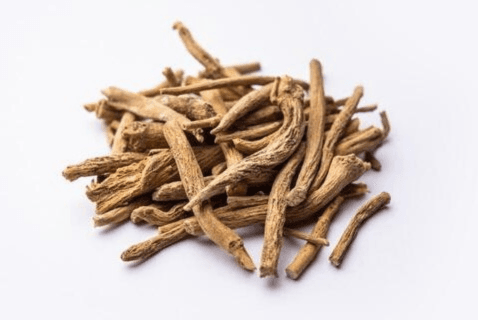
What is Stress and How Does it Affect Health?
Stress is a physical and mental reaction of your body and mind. It occurs when you face challenges, pressures, demands, or any unfamiliar situations in life. When an individual experiences stress, the body releases hormones like cortisol and adrenaline, preparing you to react quickly. This is often called the “fight or flight” response. Stress may be acute or chronic. Acute stresses are short-term, like exams, interviews, or speaking in public forums. Chronic stresses are long-term and may continue for weeks, months, or years due to problems such as financial difficulties, work pressure from superiors, or relationship issues. Short-term stress helps you stay alert and focused, while long-term stress may negatively affect your physical and mental health.
Physical effects:
- Headaches and migraines.
- Digestive issues.
- Sleep problems and insomnia.
- Chest discomfort.
- Weakened immune system.
- High blood pressure.
- Fatigue and low energy.
- Body aches and muscle tension.
- Changes in appetite.
- Weight gain or weight loss.
- Increased risk of heart disease.
Mental effects:
- Anxiety.
- Nervousness.
- Mood swings.
- Feeling overwhelmed.
- Lack of concentration.
- Depression.
- Lack of motivation.
- Low self-confidence.
Why Does Stress Management Matter in 2026?
In 2026, stress is one of the biggest health concerns worldwide. Today’s modern lifestyle has become increasingly fast-paced and demanding, with a busy work schedule, work pressure, financial concerns, constant digital connectivity, social media use, and personal responsibilities. All these can contribute to higher stress levels. Without proper management of these chronic stresses, they may adversely affect your mental, physical, relationship, and productivity too. Many people look for natural solutions to manage stress. Here, Ashwagandha has become one of the most popular herbal supplements in this case. Scientific research and growing consumer interest have made Ashwagandha a leading natural remedy for stress management. This is why, more people are searching for Ashwagandha for natural ways to manage stress effectively.
How Does Ashwagandha Help to Reduce Stress?
Ashwagandha works in several ways to support stress management.
- Helps lower cortisol levels: When you are stressed, a hormone is released from the body. Ashwagandha may help reduce stress by lowering cortisol levels. Lower cortisol levels can help you feel calmer, more relaxed, and better able to handle daily stress.
- Improves sleep quality: Better sleep helps the body and mind recover from daily stress.
- Supports the nervous system: Ashwagandha helps to support healthy nervous system function. It enhances calmness and relaxation without causing excessive drowsiness. This can help people feel more balanced during stressful situations.
- Improves stress resistance: Ashwagandha, as an adaptogen, helps the body adapt to stress. Instead of eliminating stress, it improves the body’s ability to handle stressful situations more effectively.
- Helps to improve mood: It may help to support emotional well-being by reducing feelings of anxiety and improving overall mood.
Who Can Benefit from Ashwagandha for Stress?
Ashwagandha is helpful for people who experience stress in their daily lives. The following people can benefit from Ashwagandha for stress:
- Students facing examination stress and academic pressure.
- Working professionals under job pressure, deadlines, and working for long hours continuously.
- Entrepreneurs and business owners managing financial problems or responsibilities.
- Individuals facing sleep issues caused by stress.
- Individuals with a busy lifestyle.
- People experiencing mental fatigue and difficulty in concentration.
- Athletes and fitness enthusiasts looking to manage physical and mental stress from training.
- People experiencing mild anxiety.
- People seeking a natural stress-management option as part of a healthy lifestyle.
Scientific Research on Ashwagandha and Stress
Scientific research suggests that Ashwagandha is an effective adaptogen that helps the body to resist and adapt to physical and mental stress. Studies have proven that Ashwagandha can lower cortisol levels, a hormone released by the body during stressful situations. High cortisol levels over long period of time can lead to anxiety, poor sleep, fatigue, and some other health problems. Ashwagandha, by helping reduce cortisol levels, people may feel calm and relaxed. It is also found that Ashwagandha may reduce feelings of stress and anxiety, improve sleep quality, and support overall mental health. Some clinical studies reported that people are feeling less stressed and getting more energy after taking Ashwagandha regularly for a few weeks. Overall, current scientific research revealed that Ashwagandha can be helpful for managing stress in your healthy life.
How to Take Ashwagandha for Stress
The ideal Ashwagandha dosage may vary depending on the product and needs. Moreover, it is better to follow some tips for getting better results:
- Follow the recommended dosage instructed on the product label.
- Take consistently for several weeks.
- You may take it after a meal.
- For better sleep, take it before bed.
Different Forms of Ashwagandha for Stress
Ashwagandha can be taken in different forms:
Capsules: Capsules are one of the most popular options. It is easy to use and provides a measured dose.
Powder: Ashwagandha powder can be mixed into water, milk, smoothies, or herbal drinks.
Tablets: Tablets offer similar benefits to capsules and are available widely.
Gummies: Gummies offer a convenient and tasty option for those who dislike swallowing pills.
Liquid Extracts: Liquid forms are often easy to consume and may be absorbed quickly.
When Can You Expect Results?
Usually, Ashwagandha does not provide instant results. It takes time for Ashwagandha to work. You may notice improvement in a few days, while others may need several weeks of regular use.
- 1-2 weeks: Start feeling calmer and relaxed.
- 2-4 weeks: Start reducing stress and anxiety levels.
- 4-8 weeks: Many people experience full benefits, including better stress, improved sleep quality, and enhanced overall well-being.
Tips to Get Better Results from Ashwagandha for Stress
For getting better results from Ashwagandha for stress, follow the under-mentioned tips:
- Take it regularly.
- Take it at the same time each day.
- Follow the recommended dosage.
- Exercise regularly.
- Practice relaxation techniques.
- Eat a healthy diet.
- Pick up a quality product.
- Get enough sleep.
- Be patient.
- Limit caffeine or alcohol.
How to Choose the Best Ashwagandha Supplement
Consider the following when selecting an Ashwagandha product.
- Select a reputable brand: Products from trusted brands provide better quality.
- Check product standardization: Look for products that mention standardized withanolide content.
- Read customer reviews: Read reviews from consumers labelled on the products.
- Check ingredients: Avoid unnecessary fillers and artificial additives whenever possible.
- Verify-third-party testing: Look for supplements that are tested by a laboratory for quality and purity.
Common Myths About Ashwagandha
The following are common myths about Ashwagandha:
Myth-1: Ashwagandha works instantly.
Myth-2: Ashwagandha can cure all diseases.
Myth-3: More Ashwagandha gives better results.
Myth-4: Ashwagandha has no side effects.
Myth-5: Ashwagandha improves sleep quality.
Myth-6: Ashwagandha can replace a healthy lifestyle.
Conclusion
From the above, we know that Ashwagandha is a natural way to reduce stress in 2026. As an adaptogenic herb, it helps the body cope with stress, supports healthy cortisol levels, improves sleep quality, promotes emotional balance, and improves overall well-being. Whether you are dealing with work pressure, academic stress, financial problems, or daily life challenges, Ashwagandha may provide natural support for a calmer and more balanced lifestyle. Use supplements of Ashwagandha for stress and anxiety, and maintain a healthy and wealthy lifestyle.
Great content! Keep up the good work!